

Psychiatry billing has moved well past the 15-minute med check. A psychiatric practice now bills E/M visits with psychotherapy add-ons, long-acting injectable antipsychotics, Spravato sessions with two hours of observation, TMS courses of 30 or more sessions and ECT, often alongside hospital rounds and addiction treatment. Each service has its own codes, bundling edits and prior authorizations, and prescribing controlled substances by telehealth depends on DEA rules that change at the end of 2026. Health XRCM’s psychiatry billing services keep every visit, drug and treatment coded and paid.
We bill for psychiatrists, psychiatric nurse practitioners, TMS and interventional psychiatry clinics, and addiction psychiatry practices.
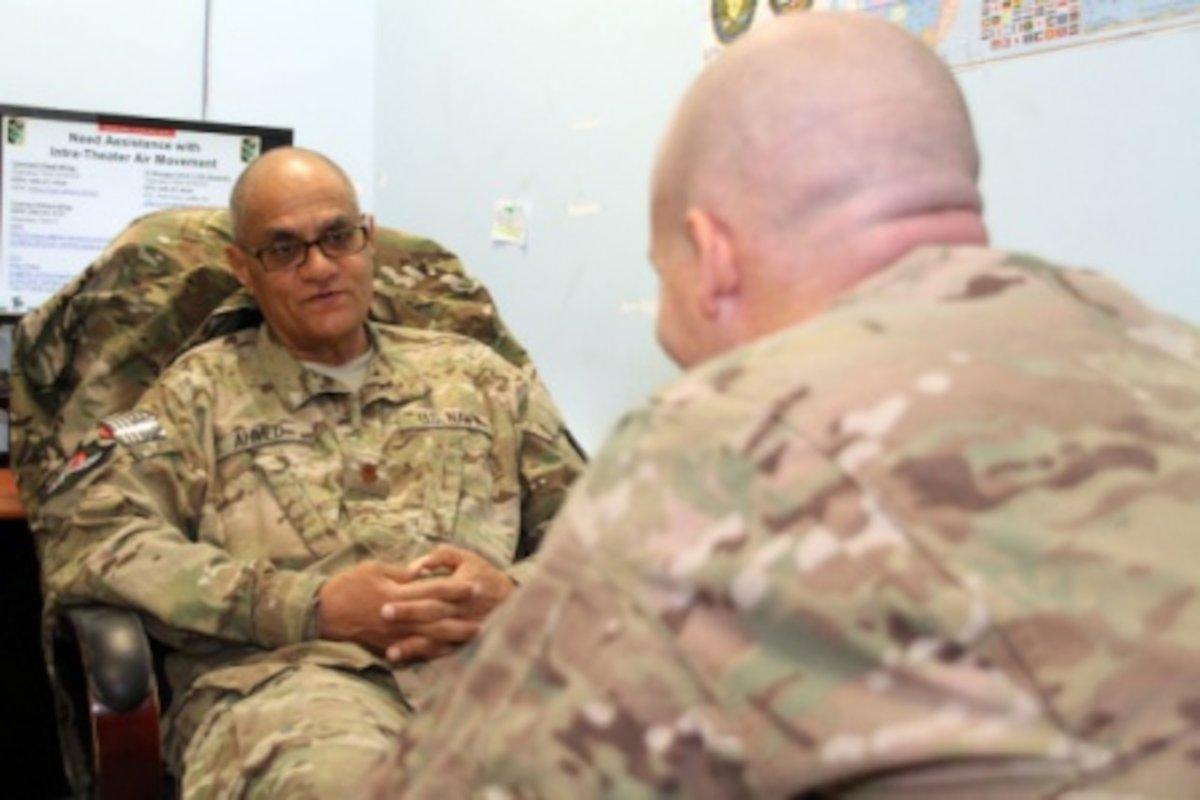
Psychiatry billing is the process of coding, submitting and collecting payment for the medical diagnosis and treatment of mental illness and substance use disorders by psychiatrists and psychiatric nurse practitioners. It covers evaluation and medication management visits, psychotherapy add-ons, injectable and nasal medications, neuromodulation treatments such as TMS and ECT, hospital psychiatry and the payer rules behind each one.
Psychiatry sits between behavioral health and medicine. Psychiatrists level E/M visits by medical decision making, buy and bill drugs like other specialists and perform procedures with global periods and bundling edits, while still working within behavioral health carve-outs and parity rules. Therapy-only services, psychological testing and collaborative care are covered on our mental and behavioral health billing page.
Psychiatric evaluations with medical services (90792) and E/M visits (99202 to 99215) leveled by medical decision making or time, with psychotherapy add-ons (90833, 90836, 90838) and modifier B1 for ongoing care.
Antipsychotic injections such as paliperidone (J2426), aripiprazole (J0401, J1944) and risperidone (J2794, J2798, J2799), billed with injection code 96372.
Esketamine sessions billed as G2082 or G2083 for Medicare, or with J0013 and visit codes for most commercial and Medicaid plans.
Transcranial magnetic stimulation (90867, 90868, 90869) and electroconvulsive therapy (90870), each with its own course and bundling rules.
Initial and subsequent hospital visits, discharge and critical care on inpatient psychiatric units, consult-liaison work and emergency evaluations.
Office-based substance use disorder bundles (G2086 to G2088), extended-release buprenorphine (Q9991, Q9992, J0577, J0578) and naltrexone (J2315).
Tell us about your psychiatry practice, and pick a time that works for you.
Prefer to talk? Call 505-274-7878.
US adults (6.9%) had a serious mental illness in 2025, and about two thirds of them received mental health treatment.
Source: SAMHSA National Survey on Drug Use and Health
In 2025, 6.9% of US adults, or 18.2 million people, had a serious mental illness, and about two thirds of them received mental health treatment, according to SAMHSA’s National Survey on Drug Use and Health. Much of that care runs through psychiatrists, and more of it is high-cost care: injectable medications, Spravato and TMS all need authorizations, exact units and session tracking that a therapy-focused billing workflow wasn’t built for.
Visits coded out of habit at 99213 when the decision making for a patient on several psychiatric medications supports more, or psychotherapy add-ons missed when the time was documented.
Wrong units for an injectable dose, a missing NDC, Spravato billed with both the G-code and the drug code, or TMS sessions billed past the authorized count.
Psychotherapy or an evaluation billed on an ECT day, a nurse visit (99211) billed with an injection, or a second 90867 in the same TMS course.
Injectables, Spravato, TMS or ECT given without prior authorization, or hospital days that run past the payer’s approval.
Good psychiatry billing matches every visit, dose and session to the code, the documentation and the authorization behind it.
Every patient encounter goes through the same six steps.
We verify coverage through insurance eligibility verification, including behavioral health carve-outs and whether injectables fall under the medical or pharmacy benefit, and secure prior authorization for injectables, Spravato, TMS, ECT and inpatient stays.
Our medical coding team levels each E/M by medical decision making or time, adds psychotherapy add-ons only when therapy time is documented separately, and codes diagnoses to the specificity coverage requires, such as recurrent severe depression for TMS.
Injectables are billed with units from the dose, the NDC and 96372. Spravato follows each payer’s code set, while TMS and ECT sessions are tracked against the authorized course and checked against bundling edits.
Hospital visits, discharges and critical care are captured from the rounding notes each day. Monthly substance use disorder bundles are counted by time, and buprenorphine and naltrexone injections are billed by dose.
Claims go out clean, and we post every ERA during payment posting, checking visit, drug and treatment payments against expected allowables and carve-out contracts.
Medical necessity, authorization and bundling denials go through our denial management process, with appeals that cite the treatment history, rating scales, failed medication trials and the payer’s coverage policy.
The main benefits of outsourcing psychiatry billing are medication visits paid at the right level, drug and treatment claims that pay, treatment courses tracked against authorizations and a smooth move to the 2027 rules.
E/M levels and psychotherapy add-ons follow the note, not habit.
Injectable and Spravato claims carry the right code, units, NDC and payer rules before they go out.
TMS, ECT and Spravato sessions are counted against each authorization, with renewals requested before they run out.
Evaluations, psychotherapy, injections and ECT are billed by NCCI edits and payer policies.
The 2027 payment rule, modifier B1, telehealth modifiers and the DEA prescribing changes go straight into our workflow.
Clinicians and staff spend less time on payer portals and authorization calls, and more time with patients.
Psychiatry billing answers to CPT E/M and psychiatry guidelines, NCCI edits, Medicare and Medicaid drug and coverage policies, DEA prescribing rules, behavioral health carve-outs and parity law, and each commercial plan’s authorization criteria. Our team works from all of them.
Service
Codes
Billing rule to watch
Medication management
99202 to 99215, modifier B1
Prescription drug management counts as moderate risk in MDM, and drugs that need intensive monitoring for toxicity, such as lithium or clozapine, can count as high risk.
Psychotherapy add-ons
+90833, +90836, +90838
Therapy time must be documented separately from E/M work and can’t also count toward E/M time.
Psychiatric evaluation
90792
Not billed on the same day as an E/M by the same clinician, and can’t be billed on an ECT day.
Long-acting injectables
J2426, J0401, J1944, J2794, J2798, J2799, J1631, 96372
Units follow the dose, so 234 mg of paliperidone is 234 units of J2426. A nurse visit (99211) isn’t billed with 96372.
Spravato
G2082, G2083, J0013
Medicare uses G2082 for up to 56 mg and G2083 for more, which include the drug. Most commercial plans use J0013 per mg plus visit codes, never both code sets together.
TMS
90867, 90868, 90869
90867 is billed once per course, and 90868 and 90869 can’t be billed for the same session. Accelerated protocols need payer approval for more than one session a day.
ECT
90870, 00104
0-day global. Pre- and post-procedure work is included, psychotherapy can’t be billed the same day, and anesthesia is billed by the anesthesia provider.
Hospital psychiatry
99221 to 99239, 99291, 99292
Medicare doesn’t pay consult codes. Psychotherapy add-ons can be billed with hospital E/M when therapy time is documented.
Office-based SUD treatment
G2086, G2087, +G2088
Monthly bundles need 70 minutes in the first month and 60 in later months. G2088 adds each 30 minutes beyond the first 120.
Addiction medications
Q9991, Q9992, J0577, J0578, J2315
Sublocade is coded by dose and Brixadi by days of therapy. Most plans require prior authorization.
Psychiatry billing needs coders who understand both medicine and behavioral health. Our team levels medication visits by decision making, matches every injection and Spravato session to its code and authorization, and tracks TMS and ECT courses session by session.
For more than 12 years, Health XRCM has supported 1,500+ providers across 75+ specialties with 50+ certified billing and coding experts. Your practice gets a dedicated team that learns your psychiatrists and nurse practitioners, your treatment programs and your payer mix. Our offshore operations team keeps the cost lower than staffing the same work in-house.
Years in medical billing
Providers served
Specialties
Certified billing and coding experts
Psychiatry is one of the specialties we bill for. Start with a free billing audit to see which visits, drugs or treatments your practice may be underbilling.
Medication management is billed with an E/M code, 99202 to 99215, leveled by medical decision making or total time. Prescription drug management counts as moderate risk, which often supports 99214. When the psychiatrist also provides psychotherapy, add 90833, 90836 or 90838 based on therapy time documented separately from the E/M.
For Medicare, bill G2082 for up to 56 mg or G2083 for more than 56 mg. Both include the drug, the visit and the two-hour observation. Most commercial and Medicaid plans use J0013, one unit per milligram, with visit or observation codes. Never bill the G-code and the drug code together.
Bill the drug’s HCPCS code, such as J2426 for paliperidone or J0401 for aripiprazole, with units calculated from the dose and the NDC on the claim. Add 96372 for the injection. If the psychiatrist also sees the patient for a separate problem, the E/M takes modifier 25.
Bill 90867 once for the first session of a course, which includes mapping and motor threshold. Later sessions are 90868, or 90869 when the motor threshold is measured again, never both for one session. Most payers require prior authorization, a specific depression diagnosis and documented failed medication trials.
Psychotherapy codes and 90792 can’t be billed with 90870 on the same day, and the evaluation before and after the treatment is part of the ECT code. A separate E/M is billable only for an unrelated problem, with modifier 25, and from 2027 Medicare pays it at 80% when it’s the lower-paid service.
The conversion factor drops 2.31%, G2211 becomes modifier B1, and same-day E/M visits with 0-day procedures like ECT are cut 20%. DEA telemedicine prescribing flexibilities end December 31, 2026 unless extended or replaced, and Medicare’s in-person rule for mental health telehealth is delayed to 2028.