

Neurology billing runs on counts and components. Nerve conduction studies are billed by the number of studies, EEGs by recording time and video, and each test splits into technical and professional components depending on who owns the equipment. Add botulinum toxin units, high-cost MS and migraine infusions, and Alzheimer’s drugs that Medicare pays only through a registry, and one missed detail can cost hundreds or thousands of dollars. Health XRCM’s neurology billing services keep every test, injection and infusion coded and paid.
We bill for general neurologists, EEG and EMG labs, headache, MS and memory clinics, and multi-specialty groups with neurology services. Our team handles E/M and neurodiagnostic coding, drug and infusion billing, registry claims and the prior authorizations behind them.
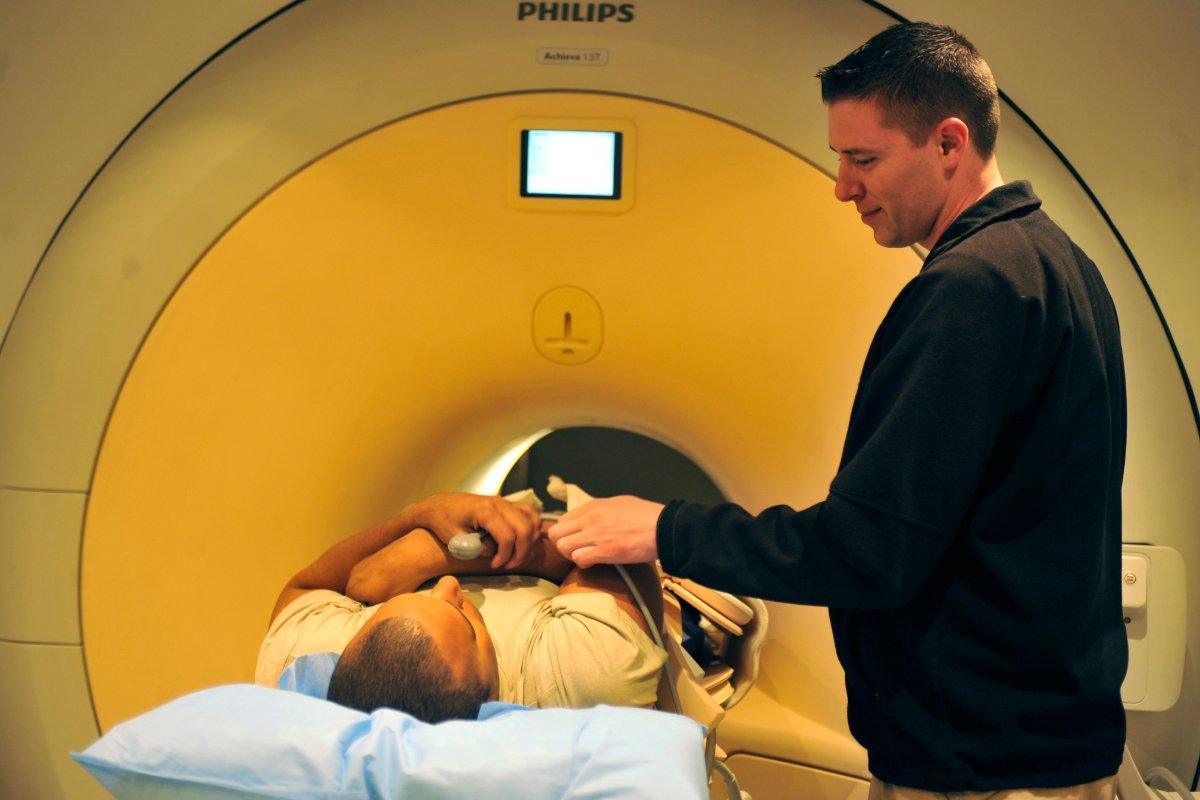
Neurology billing is the process of coding, submitting and collecting payment for the diagnosis and treatment of brain, spinal cord, nerve and muscle disorders, including epilepsy, migraine, multiple sclerosis, Parkinson’s disease, neuropathy and dementia. It covers office and hospital visits, neurodiagnostic testing, chemodenervation, infusions, device programming and the payer rules behind each one.
Neurology mixes cognitive and diagnostic work in one practice. Long-term visits for epilepsy, MS and Parkinson’s sit next to EEG and EMG labs, where each test has technical and professional components, and next to infusion suites giving drugs that cost thousands of dollars per dose. Most neurodiagnostic tests carry no global period, but each has its own unit rules, bundling edits and medical necessity policies, and many drugs need prior authorization before the first dose.
New and established E/M visits, inpatient and telehealth neurology, and modifier B1 for ongoing care of epilepsy, MS, Parkinson’s and other complex conditions.
Routine EEG (95816, 95819) and long-term and video EEG (95700 to 95726), billed by state, recording time and whether video is used.
Nerve conduction studies by total number of studies (95907 to 95913) and needle EMG by extremity (95860 to 95864, 95885 to 95887).
Cardiovagal, adrenergic and sudomotor testing (95921 to 95924), plus the new combination and individual codes 95944 to 95949 from 2027.
Botulinum toxin injections for migraine, dystonia and spasticity (64615, 64616, 64642 to 64647), nerve blocks, lumbar puncture (62270) and neurostimulator programming (95970 to 95984).
MS infusions such as ocrelizumab (J2350), migraine infusions such as eptinezumab (J3032), IVIG, and the Alzheimer’s drugs lecanemab (J0174) and donanemab (J0175).
Tell us about your neurology practice, and pick a time that works for you.
Prefer to talk? Call 505-274-7878.
Americans age 65 and older estimated to be living with Alzheimer’s dementia in 2026, as neurology practices carry more of that care.
Source: Alzheimer’s Association
An estimated 7.4 million Americans age 65 and older are living with Alzheimer’s dementia in 2026, according to the Alzheimer’s Association, and neurology practices are carrying more of that care through memory clinics, infusion programs and dementia care models. At the same time, Medicare’s conversion factor drops 2.31% in 2027, so every denied EMG, underpaid infusion or incomplete registry claim costs more than it used to.
Nerve studies counted wrong, EMG billed with the wrong code family, or units past a payer’s limit for the diagnosis get denied or recouped.
An EEG or EMG billed globally when the hospital owns the equipment, or with modifier 26 when your practice owns it, gets paid at the wrong rate.
An infusion without prior authorization, the wrong units, or an Alzheimer’s drug claim missing the registry modifier, diagnosis or trial number won’t be paid.
The 2027 autonomic testing codes and the new telehealth modifiers BB and BC catch practices that don’t update their charge capture.
Good neurology billing counts every study right and keeps every drug inside its payer’s rules.
Every patient encounter goes through the same six steps.
We verify coverage through insurance eligibility verification and secure prior authorization for MS, migraine and IVIG infusions, botulinum toxin, long-term EEG and imaging, including step therapy and site-of-care rules.
Our medical coding team codes E/M levels from medical decision making or time, adds modifier B1 where the visit supports ongoing care of a complex condition, and codes seizure, headache, MS and neuropathy diagnoses to full ICD-10-CM specificity.
EEG hours, video use, nerve study counts and EMG extremities are taken from the test reports, with the right technical or professional component for each site of service, then checked against unit limits and NCCI edits.
Infusions and injections are billed with the drug code, NDC, units and modifier JW or JZ for waste, plus the administration codes and the registry details Alzheimer’s drugs need.
Claims go out clean, and we post every ERA during payment posting, checking each payment against the expected allowable, including drug reimbursement.
Medical necessity, frequency and drug denials go through our denial management process, with appeals that cite the test report, exam findings and the payer’s own coverage policy.
The main benefits of outsourcing neurology billing are every study counted and paid, infusions that don’t turn into write-offs, fewer medical necessity denials and a smooth move to the 2027 codes.
Nerve studies, EMG extremities and EEG hours are coded from the report, so tests aren’t underbilled or denied for exceeding limits.
Global, technical and professional billing is set by who owns the equipment and where the test was done.
Authorizations, NDCs, units, waste modifiers and registry fields are checked before the claim goes out.
Diagnoses are coded to full specificity and matched to each payer’s EMG, EEG and drug policies.
Modifier B1, the new autonomic testing codes, telehealth modifiers BB and BC, and the conversion factor cut go straight into our workflow.
Lab, infusion and front desk staff spend less time on payer portals and authorization renewals, and more time with patients.
Neurology billing answers to CPT rules for neurodiagnostic testing, NCCI edits, Medicare contractor policies for EMG and nerve conduction studies, national coverage rules for Alzheimer’s drugs and each commercial plan’s drug and testing policies. Our team works from all of them.
Service
Codes
Billing rule to watch
EEG
95816, 95819, 95700 to 95726
Routine EEG is coded by awake or asleep state. Long-term EEG has a setup code, technical codes by hours and video, and professional codes by recording length.
Nerve conduction studies
95907 to 95913
One code for the total number of studies in the session, not one per nerve. Payers limit the number of studies by diagnosis.
Needle EMG
95860 to 95864, +95885 to +95887
Use the add-on codes 95885 to 95887 when EMG is done with nerve conduction studies on the same day. 95860 to 95864 are for EMG alone.
Autonomic testing
95921 to 95924, 95944 to 95949 (new in 2027)
Codes are revised and expanded for 2027. Pick the combination code that matches the exact tests, and report +95944 only with 95921 or 95947.
Chemodenervation
64615, 64616, 64642 to 64647, J0585
64615 is for chronic migraine. Bill toxin units with the NDC, and report waste with JW or no waste with JZ.
Neurostimulator programming
95970, 95976, 95977, 95983, +95984
Vagus nerve stimulator programming is 95976 or 95977 by complexity. Brain stimulator programming is 95983 for the first 15 minutes and +95984 for each additional 15.
MS, migraine and IVIG infusions
J2350, J2323, J3032, 96365, 96413
Prior authorization and site-of-care rules apply. Use the administration code each payer requires for the drug.
Alzheimer’s anti-amyloid drugs
J0174, J0175
Z00.6 plus G30.x or G31.84, modifier Q0 or Q1, and NCT number 99999999 for the CMS registry.
Dementia care
99483, GUIDE Model G-codes
99483 covers cognitive assessment and care planning. GUIDE participants bill monthly dementia care payments that replace some care management codes.
Telehealth
Modifiers 95, 93, BB, BC
From 2027, BB and BC are required in certain telehealth arrangements and don’t change payment.
Neurology billing needs coders who read test reports, not just charge slips. Our team counts nerve studies and EEG hours from the report, matches every drug to its authorization and units, and keeps component and registry rules straight across your clinic, lab and infusion suite.
For more than 12 years, Health XRCM has supported 1,500+ providers across 75+ specialties with 50+ certified billing and coding experts. Your practice gets a dedicated team that learns your neurologists, your testing sites and your payer mix. Our offshore operations team keeps the cost lower than staffing the same work in-house.
Years in medical billing
Providers served
Specialties
Certified billing and coding experts
Neurology is one of the specialties we bill for. Start with a free billing audit to see which tests, infusions or visits your practice may be underbilling.
Bill one nerve conduction code (95907 to 95913) for the total number of studies done in the session, and use the add-on codes 95885, 95886 or 95887 for needle EMG performed the same day. Codes 95860 to 95864 are only for EMG without nerve conduction studies. Payers often limit the number of studies by diagnosis.
Routine EEG is 95816 for awake and drowsy recordings or 95819 for awake and asleep recordings. Long-term EEG uses 95700 to 95726: a setup code, technical codes by hours recorded and whether video is used, and professional interpretation codes based on the length of the recording reviewed.
Bill 64615 for chemodenervation of the muscles supplied by the facial, trigeminal, cervical spinal and accessory nerves, plus J0585 for each unit of onabotulinumtoxinA. Report wasted drug with modifier JW, or JZ when there’s no waste, and get prior authorization first, since most plans require it.
Medicare covers them only when the patient is enrolled in the CMS National Patient Registry or another CMS-approved study. Claims need diagnosis Z00.6 with an Alzheimer’s or mild cognitive impairment code, modifier Q0 or Q1, and the registry trial number 99999999 or the study’s NCT number, along with J0174 or J0175.
CPT 2027 revises 95921 to 95924 and adds 95944 to 95949. The new codes cover a tilt table add-on, thermoregulatory sweat testing, sympathetic skin response and combinations of cardiovagal, adrenergic and sudomotor testing, so payers will expect the code that matches the exact tests performed.
The conversion factor drops 2.31%, G2211 becomes modifier B1 with a 16% increase on qualifying visits, and the autonomic testing and unattended sleep study codes change. Medicare also requires modifiers BB and BC on certain telehealth claims, and remote monitoring needs an established patient and an initiating visit.