

Nephrology billing follows your patients from the clinic to the hospital and back. In one week a nephrologist may stage CKD in the office, round on AKI and dialysis patients, place a dialysis catheter, do a kidney biopsy and order ESAs and IV iron, and each service has its own codes and bundling rules. A wrong CKD stage, a hospital visit billed on a dialysis day or an ESA claim without its hemoglobin reading can each cost you the payment. Health XRCM’s nephrology billing services keep every visit, procedure and drug claim coded and paid.
We bill for independent nephrology groups, hospital and transplant nephrologists, and interventional nephrology and office-based access centers.
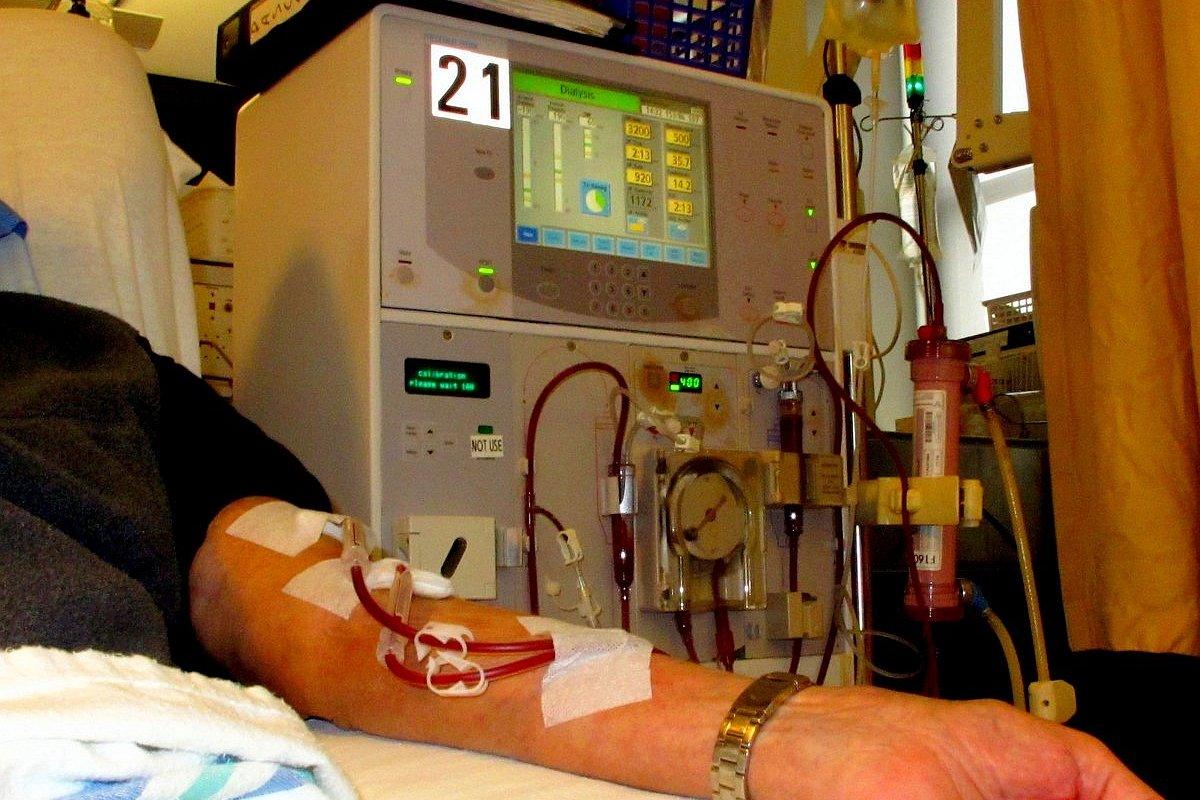
Nephrology billing is the process of coding, submitting and collecting payment for the care of kidney disease, including chronic kidney disease (CKD), acute kidney injury (AKI), glomerular disease, electrolyte disorders, resistant hypertension and kidney transplant follow-up. It covers office and hospital visits, inpatient dialysis, kidney biopsies, dialysis access procedures, drug administration and care management.
Nephrology runs across more settings than most specialties. CKD visits happen in the office, AKI and dialysis care in the hospital, access procedures in hospitals, ASCs and office-based labs, and anemia treatment in the clinic. Facility dialysis claims and the monthly ESRD capitation codes follow their own rules, which we cover in dialysis and ESRD billing.
New and established E/M visits, CKD staging with N18.1 to N18.6, modifier B1 for ongoing kidney care, kidney disease education (G0420, G0421) and post-transplant follow-up.
Initial and subsequent hospital care, critical care and discharge visits for AKI, fluid and electrolyte disorders and admitted dialysis patients.
Hemodialysis (90935, 90937) and CRRT or peritoneal dialysis (90945, 90947), billed per day with the E/M bundling rules that come with them.
Percutaneous kidney biopsy (50200) with ultrasound or CT guidance, and non-tunneled and tunneled dialysis catheters (36556, 36558).
Fistulograms, angioplasty, stents and thrombectomy through the dialysis circuit (36901 to 36909) in hospitals, ASCs and office-based labs.
Non-ESRD ESAs (J0881, J0885, Q5106), IV iron (J1756, J1439, Q0138), and infusions for lupus nephritis and transplant patients.
Tell us about your nephrology practice, and pick a time that works for you.
Prefer to talk? Call 505-274-7878.
American adults, or 14%, are estimated to have chronic kidney disease, and nearly 9 in 10 adults with CKD don’t know they have it.
Source: CDC, March 2026 estimates
About 37 million American adults, or 14%, are estimated to have chronic kidney disease, and nearly 9 in 10 adults with CKD don’t know they have it, according to the CDC’s March 2026 estimates. That is a large patient base, much of it still undiagnosed, and Medicare is paying less for its care: the conversion factor drops 2.31% in 2027, and a new 20% cut applies when an office visit is billed with a same-day minor procedure.
Unspecified CKD when the note supports a stage, or hypertension and diabetes coded apart from the CKD, weakens risk scores and gets kidney disease education denied.
A subsequent hospital visit billed on a dialysis day is included in the dialysis code, and no modifier gets it paid.
An ESA billed with an ESRD code, without its EA, EB or EC modifier or without the latest hemoglobin, or IV iron billed with the wrong ESRD or non-ESRD code, won’t be paid.
Two dialysis circuit base codes in one session, imaging billed on top of circuit codes, or catheter guidance without the required documentation gets denied or recouped.
Good nephrology billing codes every stage, setting and drug the way each payer expects.
Every patient encounter goes through the same six steps.
We verify coverage through insurance eligibility verification, including Medicare Advantage and secondary plans, and secure prior authorization for infusions, office-based access procedures, biopsies and imaging.
Our medical coding team codes E/M levels from medical decision making or time, adds modifier B1 for ongoing kidney care, and codes the CKD stage, its cause and anemia in CKD to full ICD-10-CM specificity.
Hospital visits, critical care and daily dialysis codes are captured from the rounding notes, with the same-day E/M rules applied. Biopsies, catheters and circuit procedures are coded from the procedure report with the right guidance codes and site of service.
ESAs, IV iron and other infusions are billed with the right ESRD or non-ESRD code, the NDC, units and modifier JW or JZ, plus the latest hemoglobin or hematocrit and the ESA modifier Medicare requires.
Claims go out clean, and we post every ERA during payment posting, checking each payment against the expected allowable, including the 20% same-day reduction and drug reimbursement.
Bundling, medical necessity and drug denials go through our denial management process, with appeals that cite the visit note, lab values, procedure report and the payer’s coverage policy.
The main benefits of outsourcing nephrology billing are complete CKD coding, hospital work that doesn’t get bundled away, drug claims that pay the first time and a smooth move to the 2027 rules.
Every claim carries the CKD stage, its cause and related conditions, which supports medical necessity, risk adjustment and value-based contracts.
Daily dialysis and E/M visits are billed by the bundling rules, so separately identifiable visits are paid and non-billable ones aren’t sent.
ESA and iron codes, NDCs, units, waste modifiers and hemoglobin values are checked before the claim goes out.
Biopsies, catheters and circuit procedures are coded once, at the right level, with guidance only where it’s separately payable.
Modifier B1, the same-day visit reduction, telehealth modifiers BB and BC and the new remote monitoring rules go straight into our workflow.
Front desk and clinical staff spend less time on payer portals and authorization renewals, and more time with patients.
Nephrology billing answers to CPT and ICD-10-CM rules, NCCI edits, Medicare contractor drug and dialysis policies, CMS kidney care models and each commercial plan’s authorization rules. Our team works from all of them.
Service
Codes
Billing rule to watch
CKD staging and cause
N18.1 to N18.6, N18.30 to N18.32, I12.0, I12.9, I13.x, E11.22, D63.1
Code the stage the eGFR documentation supports. Hypertension with CKD is presumed linked, so I12 or I13 comes first with the N18 stage code.
Kidney disease education
G0420, G0421
Stage 4 CKD (N18.4) only, a referral from the managing physician, one-hour sessions and no more than six per lifetime.
Inpatient dialysis
90935, 90937, 90945, 90947
E/M related to the dialysis and renal failure is included. Subsequent hospital visits can’t be billed that day.
Hospital visits
99221 to 99223, 99231 to 99233, 99238, 99239, 99291, 99292
Medicare doesn’t pay consult codes. Initial care, discharge or critical care on a dialysis day needs modifier 25 and a separate problem.
Kidney biopsy
50200, 76942, 77012
One unit per session, however many passes. Report ultrasound or CT guidance when the report documents it.
Dialysis catheters
36556, 36558, 36589, 76937
Non-tunneled and tunneled catheters have separate codes. Ultrasound guidance 76937 needs documented vessel patency and a saved image.
Dialysis circuit procedures
36901 to 36906, +36907 to +36909
One base code per session, the highest in the hierarchy. All circuit imaging is included, and each add-on is reported once per session.
Non-ESRD ESAs
J0881, J0885, J0888, Q5106
Modifier EA, EB or EC and the latest hemoglobin or hematocrit. ESRD codes such as J0882 are for dialysis patients.
IV iron
J1756, J1439, Q0138, 96365, 96374
Use Q0138 for ferumoxytol in non-dialysis CKD. Bill units with the NDC and report waste with JW or no waste with JZ.
Chronic and principal care management
99490, 99439, 99487, 99491, 99424 to 99427
PCM fits a single high-risk condition such as advanced CKD. The same practitioner can’t bill CCM and PCM in the same month.
Nephrology billing needs coders who know where the bundling lines sit. Our team stages CKD from the documentation, applies the dialysis day rules to every hospital visit, codes circuit procedures by the hierarchy and checks every drug claim for the modifiers and lab values Medicare expects.
For more than 12 years, Health XRCM has supported 1,500+ providers across 75+ specialties with 50+ certified billing and coding experts. Your practice gets a dedicated team that learns your nephrologists, your hospitals and access sites, and your payer mix. Our offshore operations team keeps the cost lower than staffing the same work in-house.
Years in medical billing
Providers served
Specialties
Certified billing and coding experts
Nephrology is one of the specialties we bill for. Start with a free billing audit to see which visits, procedures or drugs your practice may be underbilling.
Only in some cases. Dialysis codes 90935 to 90947 include the E/M work related to the dialysis and renal failure, so subsequent hospital visits can’t be billed that day. Initial hospital care, discharge or critical care for a separately identifiable problem can be billed with modifier 25 when the note supports it.
Medicare covers kidney disease education for patients with stage 4 CKD who have a referral from the physician managing their kidney condition. Bill G0420 for an individual session or G0421 for a group, per hour, with N18.4 on the claim. Each patient gets no more than six sessions in a lifetime.
Use the non-ESRD codes J0881 for darbepoetin, J0885 for epoetin alfa, J0888 for Mircera or Q5106 for Retacrit. Every claim needs modifier EA, EB or EC and the most recent hemoglobin or hematocrit, with anemia in CKD (D63.1) and the CKD stage code. ESRD codes are for dialysis patients only.
Report one base code from 36901 to 36906 per session, choosing the most intensive service performed, since each includes the ones below it. Add +36907 or +36908 for central vein angioplasty or stenting and +36909 for embolization, once per session. All circuit imaging and access are included in the codes.
ICD-10-CM presumes a causal link between hypertension and CKD unless the provider documents another cause. Code I12.9 for stage 1 to 4 CKD or I12.0 for stage 5 or ESRD, then add the N18 code for the stage, such as N18.31 or N18.32 for stage 3a or 3b. Diabetic CKD adds E11.22.
The conversion factor drops 2.31%, G2211 becomes modifier B1, and an office visit billed with a same-day 0-day procedure is cut 20% when it’s the lower-paid service. Medicare also requires modifiers BB and BC on certain telehealth claims, KCC enters its final year, and the LEAD ACO model begins.