

Pediatric billing runs on small charges at high volume, and a few missed codes per visit add up fast. One well-child visit can carry a preventive code, a same-day problem visit, three or four vaccines with their administration codes and several screenings, each with its own rule. Most practices also bill Medicaid and CHIP for a large share of patients, manage VFC stock, and now face shorter retroactive coverage in 2027 and a vaccine schedule still in court. Health XRCM’s pediatric billing services code every visit, vaccine and screening to each payer’s rules, so nothing on the encounter goes unpaid.
We bill for independent pediatric practices, pediatric groups and urgent care clinics, and newborn hospitalist and neonatology groups.
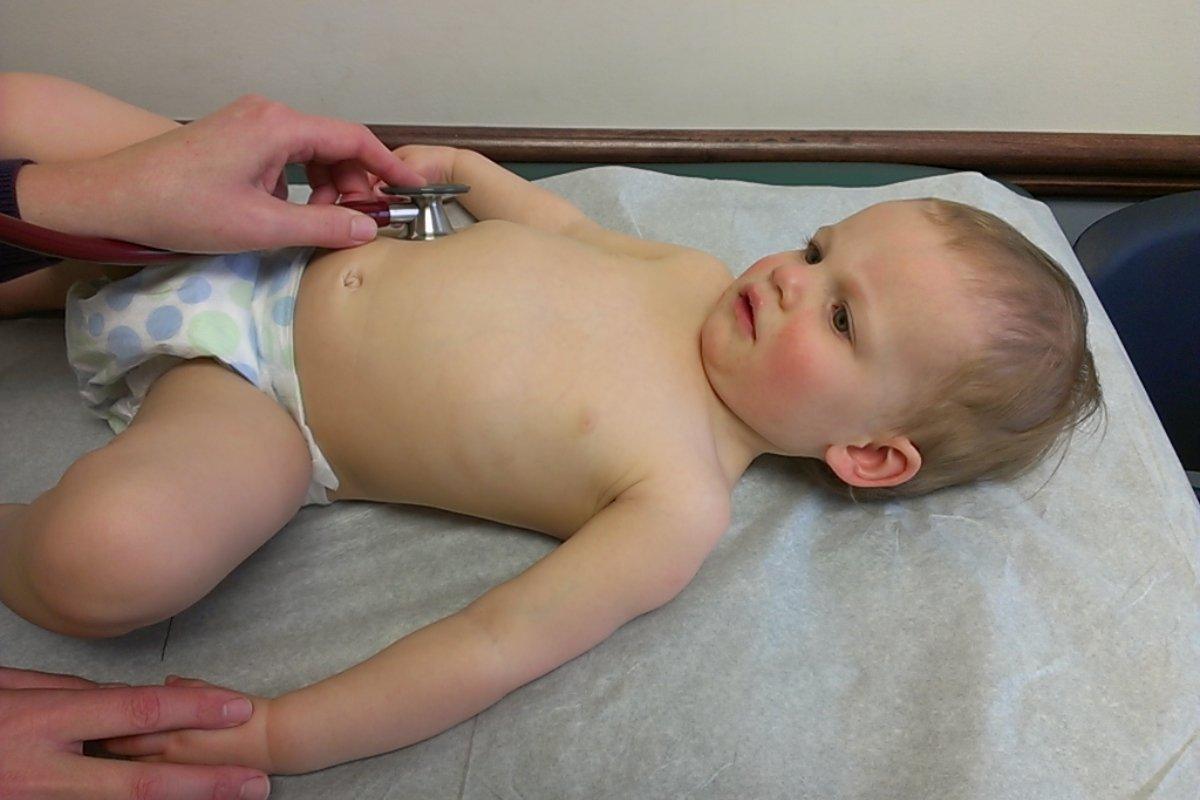
Pediatric billing is the process of coding, submitting and collecting payment for the medical care of infants, children and adolescents, from newborn hospital care and well-child visits to sick visits, vaccines, screenings and critical care. It covers preventive and problem visits, vaccine products and their administration, and the Medicaid, CHIP and commercial rules behind each one.
Preventive care drives much of pediatric revenue, and the Bright Futures periodicity schedule sets what each age visit should include. The payer mix leans on Medicaid and CHIP, where the EPSDT benefit covers screenings and follow-up care, and many vaccines arrive free through the Vaccines for Children program, so only their administration is billed. Therapy and psychological testing are covered on our mental and behavioral health billing page, and autism treatment on our ABA therapy billing page.
Age-based preventive codes (99381 to 99385, 99391 to 99395), Bright Futures components, EPSDT screens and the Z00.121 or Z00.129 diagnosis.
Office E/M visits (99202 to 99215), same-day problem visits with modifier 25, and after-hours codes such as 99050 where the payer pays them.
Vaccine product codes with NDCs, administration with 90460 and 90461 or 90471 to 90474, VFC vaccines, RSV antibodies and standalone counseling (90482 to 90484).
Developmental (96110), emotional and behavioral (96127), caregiver depression (96161), vision (99173, 99177) and hearing (92551) screens, fluoride varnish (99188), and lead and hemoglobin tests.
Normal newborn care (99460 to 99463), attendance at delivery (99464), newborn resuscitation (99465), discharge and inpatient pediatric visits.
Daily NICU and PICU codes (99468 to 99480) for neonatologists and pediatric hospitalists.
Tell us about your pediatric practice, and pick a time that works for you.
Prefer to talk? Call 505-274-7878.
US children are covered by Medicaid, and Medicaid and CHIP enrollment fell 6% between May 2025 and May 2026.
Source: KFF
Medicaid covers nearly 4 in 10 US children, KFF reported in 2025, and enrollment in Medicaid and CHIP fell 6% between May 2025 and May 2026. When coverage shifts that fast, eligibility checks and payer rules decide whether a visit gets paid.
A child who lost Medicaid, moved to CHIP or a new managed care plan, or a newborn billed before the baby has an ID of their own.
The wrong administration code for the counseling given or the patient’s age, missing 90461 components, a VFC vaccine billed at full charge, or a missing NDC.
A same-day problem visit without modifier 25 or its own diagnosis, the wrong age band, or abnormal findings coded as a normal exam.
Developmental, behavioral, caregiver depression, vision and hearing screens that were done but never coded, or coded without the instrument in the note.
Good pediatric billing captures every part of the visit and checks coverage before the child is in the room.
Every visit and hospital day goes through the same six steps.
We verify coverage through insurance eligibility verification at every visit, including the Medicaid, CHIP or managed care plan a child is in that month, add newborns to coverage quickly, and secure prior authorization for specialty drugs, imaging and referrals.
Our medical coding team codes preventive visits by age, levels problem visits by medical decision making or time, adds modifier 25 only when a separate problem needed real work, and links each service to its own diagnosis.
Vaccines are billed with the product code, NDC and units, and administration is coded by counseling, age and components. VFC products follow your state’s $0 or SL rule, and each screening is coded per standardized instrument.
Newborn days, delivery attendance, resuscitation and NICU or PICU care are coded by date, with the baby’s own ID and the right Z38 code on the birth claim.
Claims go out clean, and we post every ERA during payment posting, checking payments against Medicaid fee schedules, VFC administration caps and your managed care contracts.
Vaccine bundling, modifier 25, eligibility and timely filing denials go through our denial management process, with corrected claims sent fast when coverage is approved back to an earlier date.
The main benefits of outsourcing pediatric billing are every vaccine and screening billed, fewer eligibility denials, clean Medicaid and VFC claims and a smooth move to the 2027 rules.
Products, administration and each added component reach the claim with the right units and NDC.
Each developmental, behavioral, vision and hearing screen is documented and coded per instrument.
Coverage is checked at every visit, newborns are added quickly and the retroactive window is tracked.
State billing rules, the SL modifier, VFC fee caps and EPSDT requirements are built into each claim.
The retroactive coverage limit, the new conversion factor, modifier B1 and vaccine schedule rulings go straight into our workflow.
Front desk and nursing staff spend less time on payer portals and vaccine logs, and more time with families.
Pediatric billing answers to CPT and ICD-10-CM rules, state Medicaid and CHIP programs and their managed care plans, the EPSDT benefit, the VFC program, the federal vaccine recommendations that set coverage, and each commercial plan’s preventive care policy. Our team works from all of them.
Service
Codes
Billing rule to watch
Well-child visits
99381 to 99385, 99391 to 99395, Z00.121, Z00.129
Choose the code by age and new or established status. Use Z00.121 when the exam finds a problem and Z00.129 when it doesn’t.
Same-day problem visit
99202 to 99215 with modifier 25
Bill it only when a significant problem needed work beyond the checkup, linked to its own diagnosis. Some plans pay it at a reduced rate.
Vaccine administration with counseling
90460, 90461
For patients 18 and younger when a physician or qualified professional counsels. 90460 covers the first component of each vaccine and 90461 each added one, which many Medicaid plans don’t pay.
Vaccine administration without counseling
90471 to 90474
Use when no qualifying counseling is given or the patient is 19 or older. 90473 and 90474 are for nasal or oral vaccines.
VFC vaccines
Product code with $0 charge or modifier SL
Bill the administration only, paid up to your state’s VFC fee cap. An eligible child can’t be turned away for inability to pay that fee.
Standalone immunization counseling
90482 to 90484
Time-based, once per date, only when the counseled vaccine isn’t given. Original Medicare doesn’t pay them and commercial coverage varies.
RSV antibodies
90380, 90381, 90382, 96380, 96381
Product code by drug and dose, with 96380 when a physician counsels and 96381 when they don’t. VFC supplies both products for eligible infants.
Developmental and behavioral screening
96110, 96127, 96161
Bill per standardized instrument with the tool named in the note. 96161 is the caregiver depression screen, billed on the infant’s claim.
Newborn care
99460 to 99463, 99464, 99465, 99238
99460 is per day for a normal newborn and 99463 covers same-day admission and discharge. 99464 and 99465 aren’t billed together.
NICU and PICU care
99468 to 99480
One daily code per patient by age and condition, which bundles many procedures. Check what can still be billed separately before adding lines.
Pediatric billing needs coders who know Bright Futures as well as CPT. Our team counts every vaccine component, screening instrument and newborn day, and knows each state’s Medicaid and VFC rules, so the small charges that keep a pediatric practice profitable reach the claim.
For more than 12 years, Health XRCM has supported 1,500+ providers across 75+ specialties with 50+ certified billing and coding experts. Your practice gets a dedicated team that learns your providers, your hospitals and nurseries, and your payer mix. Our offshore operations team keeps the cost lower than staffing the same work in-house.
Years in medical billing
Providers served
Specialties
Certified billing and coding experts
Pediatrics is one of the specialties we bill for. Start with a free billing audit to see which vaccines, screenings or visits your practice may be underbilling.
Bill the age-based preventive code, such as 99392, plus a problem E/M with modifier 25 when the provider treats a significant problem that needs extra work, such as an ear infection or an asthma flare. Link each code to its own diagnosis. Minor problems handled inside the checkup aren’t billed separately, and some plans pay the problem visit at a reduced rate.
Use 90460 for the first component of each vaccine when a physician or other qualified professional counsels the family and the patient is 18 or younger, and 90461 for each added component. Use 90471 to 90474 when no qualifying counseling is given or the patient is 19 or older. Many Medicaid programs don’t pay 90461, so check your state.
Don’t charge for the VFC vaccine itself. Report the product code with a $0 charge or modifier SL, as your state requires, and bill the administration code, which is paid up to your state’s VFC administration fee. A VFC-eligible child can’t be refused a vaccine because the family can’t pay that fee.
Bill nirsevimab with 90380 or 90381 based on the dose, or clesrovimab with 90382, and report administration with 96380 when a physician or qualified professional counsels the family or 96381 when they don’t. Don’t use 90460 or 90471 for these antibodies. Both products are available through VFC for eligible infants.
Yes. Since January 1, 2026, CPT codes 90482 to 90484 report counseling by a physician or qualified professional, by time, when the vaccine isn’t given that day. Bill one code per date, with modifier 25 on any separate E/M. Coverage is still uneven, since Original Medicare doesn’t pay them and some commercial plans list them as nonpayable.
Medicaid retroactive coverage for children drops from three months to two before the application month, so eligibility checks matter more. The Medicare conversion factor falls 2.31%, G2211 becomes modifier B1, and the vaccine schedule case is still on appeal. Watch each payer’s vaccine and modifier 25 policies as they update for the new year.