

Orthopedic billing runs on global periods, laterality and modifiers. One practice may bill fracture care in the clinic, total joints in the hospital and ASC, arthroscopy, joint injections and the braces patients leave with, for workers’ compensation and auto claims as well as Medicare and commercial plans. In 2027, Medicare cuts surgeon pay for hip and knee replacement and trims same-day visits billed with injections, so every missed modifier or unbilled cast costs more. Health XRCM’s orthopedic billing services keep every visit, procedure and device claim coded and paid.
We bill for orthopedic surgery groups, sports medicine practices, hand and foot and ankle specialists, and orthopedic urgent care clinics.
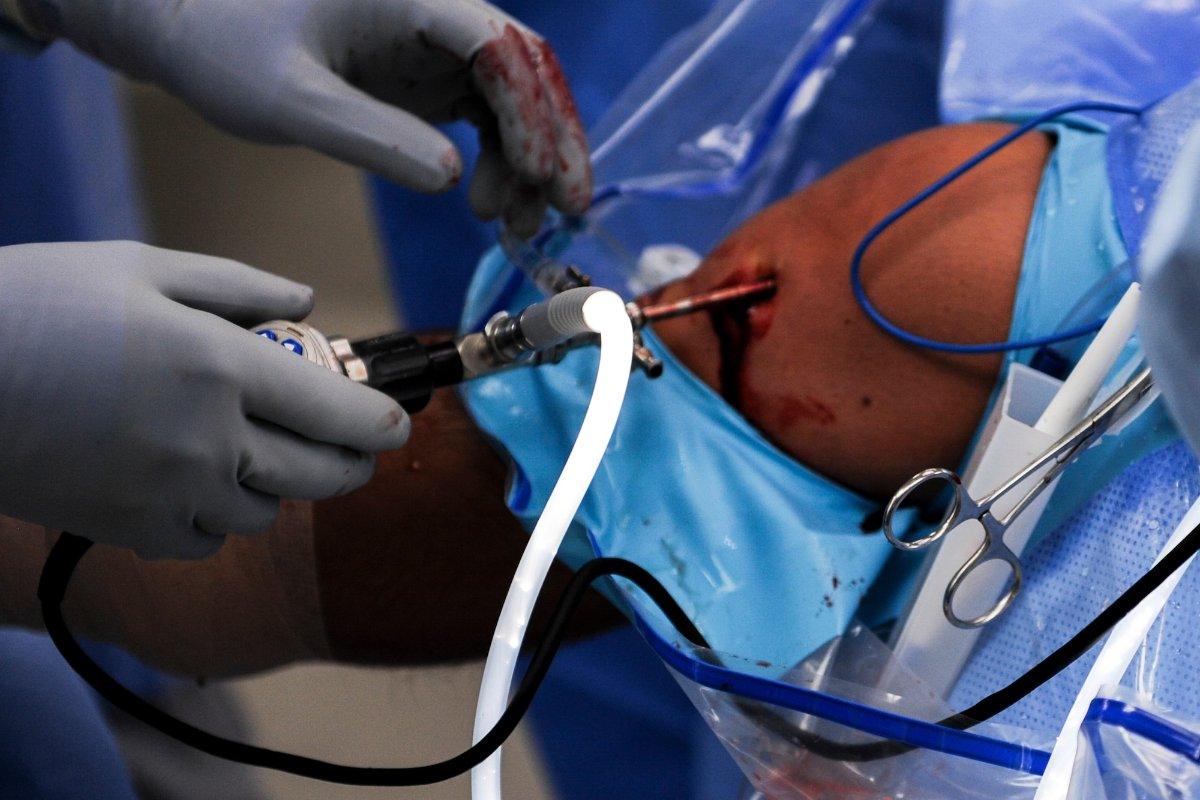
Orthopedic billing is the process of coding, submitting and collecting payment for the diagnosis and treatment of bone, joint, muscle, tendon and ligament conditions, from fractures and sports injuries to arthritis and joint replacement. It covers office visits, imaging, injections, casting, arthroscopy and open surgery, braces and other durable medical equipment, and the payer rules behind each one.
Orthopedics bills more global surgery than almost any other specialty. Fracture care and major procedures carry 90-day global periods, injections and minor procedures 0-day or 10-day periods, and every service needs the right side and body part. The payer mix is wider than most, with workers’ compensation, auto and personal injury claims next to Medicare and commercial plans. Spine fusion and decompression are covered on our neurosurgery billing page.
New and established E/M visits, decision-for-surgery visits with modifier 57, and in-office X-ray and MRI with professional and technical components.
Closed and open fracture treatment with its 90-day global, casting and splinting (29000 to 29799) with cast supplies (Q4001 to Q4051), and fracture follow-up.
Total knee (27447), total hip (27130) and total shoulder (23472) arthroplasty, revisions, and the hospital, outpatient and ASC rules that come with them.
Knee and shoulder arthroscopy such as meniscectomy (29880, 29881) and rotator cuff repair (29827), ligament reconstruction and tendon repair.
Joint and tendon injections (20550 to 20611), hyaluronic acid (J7318 to J7329) and corticosteroids, with ultrasound guidance where documented.
Knee, ankle and spinal orthoses billed with L-codes, including the braces on Medicare’s prior authorization list.
Tell us about your orthopedic practice, and pick a time that works for you.
Prefer to talk? Call 505-274-7878.
estimated Medicare cut for orthopedic surgery in the final 2027 fee schedule, the largest of any specialty.
Source: Medicare final 2027 physician fee schedule
Orthopedic surgery takes the largest specialty cut in Medicare’s final 2027 fee schedule, an estimated 6%, and surgeon work value for total hip and knee replacement drops from 19.11 to 16.70 RVUs. A new 20% reduction also applies to office visits billed on the same day as 0-day procedures such as joint injections, so practices can’t afford to leave any billable service off the claim.
Visits billed inside a 90-day global without modifier 24, 25 or 79, related procedures without 58 or 78, or a decision-for-surgery visit without modifier 57.
A missing RT, LT, 50 or finger and toe modifier, or a second procedure without 51 or 59, lets edits deny part of the claim.
Hyaluronic acid billed before the six-month interval, wrong units per dose, imaging billed on top of a code that includes it, or a same-day visit without a separate problem.
Replacement casts and supplies left off the claim, or a Medicare brace dispensed without the prior authorization it needs.
Good orthopedic billing tracks every global period, side and supply from the first visit to the last follow-up.
Every patient encounter goes through the same six steps.
We verify coverage through insurance eligibility verification, including workers’ compensation claim numbers and auto coverage, and secure prior authorization for MRI, arthroscopy, joint replacement, hyaluronic acid and the braces on Medicare’s list.
Our medical coding team levels each visit by medical decision making or time, adds modifiers 25, 57 or 24 where the visit supports them, and codes injuries with the side and the A, D or S seventh character.
Operative and procedure notes are coded line by line, with multiple procedures ranked and modified, assistant surgeon rules checked and each global period tracked, along with fracture care, replacement casts and supplies.
Injections are billed with the drug code, units and side, imaging with the right component, and braces with their L-codes, modifiers and prior authorization numbers.
Claims go out clean, and we post every ERA during payment posting, checking each payment against Medicare, commercial and state workers’ compensation fee schedules.
Global period, bundling and medical necessity denials go through our denial management process, with appeals that cite the operative report, imaging, conservative treatment history and the payer’s policy.
The main benefits of outsourcing orthopedic billing are every global period tracked, injections and supplies billed in full, fewer bundling denials and a smooth move to the 2027 rules.
Visits inside a global are billed only when they qualify, with the modifier that gets them paid.
Drug units, replacement casts, cast supplies and braces reach the claim instead of being written off.
Multiple procedures, arthroscopy compartments and imaging are coded by NCCI edits and CPT rules.
Claims follow state fee schedules, claim numbers and adjuster rules, not just Medicare’s.
The arthroplasty revaluation, the same-day visit reduction, modifier B1 and the new bundled models go straight into our workflow.
Surgical schedulers and front desk staff spend less time on payer portals and authorizations, and more time with patients.
Orthopedic billing answers to CPT and NCCI rules, Medicare’s global surgery and site-of-service policies, CMS bundled payment models, Medicare contractor drug and DME policies, state workers’ compensation rules and each commercial plan’s authorization criteria. Our team works from all of them.
Service
Codes
Billing rule to watch
Visits and global modifiers
99202 to 99215, modifiers 25, 57, 24, 79
Use 57 on the visit that decides on a 90-day surgery and 25 for a separate problem on a 0-day procedure day. 24 marks an unrelated visit during a global.
Fracture care
Fracture treatment codes, 29000 to 29799, Q4001 to Q4051
The first cast is included in fracture care. Replacement casts can be billed, and supplies go on Q-codes where the payer pays them separately.
Total joint replacement
27447, 27130, 23472, revision codes
90-day global, so the same-day cut doesn’t apply. Hospitals may be in TEAM or, from 2028, CJR-X, which shapes post-acute care and gainsharing.
Arthroscopy
29880, 29881, 29827, +29826, 29888
29880 covers medial and lateral meniscectomy and 29881 one side. Chondroplasty in the same knee is included, and Medicare uses G0289 for a separate compartment.
Joint and tendon injections
20550 to 20553, 20600 to 20611
0-day global, so a same-day E/M with modifier 25 is paid at 80% when it’s the lower-paid service. 20604, 20606 and 20611 include ultrasound guidance.
Hyaluronic acid
J7318 to J7329, 20610, 20611
Usually covered for knee osteoarthritis (M17) with failed conservative care, one course every six months. Units are per dose or per mg depending on the product.
Corticosteroid injections
J1030, J1040, J3301, J3304
Units follow the code’s dose, such as 40 mg of triamcinolone billed as 4 units of J3301.
Assistant surgeons
Modifiers 80, 82, AS, 62
Medicare pays assistants only on codes that allow them. AS is for a PA or NP, and 82 is used at teaching hospitals when no resident was available.
Braces and orthoses
L1832, L1843, L1851, L0648, L0650, L1932, L1951
Listed Medicare codes need prior authorization before delivery. Check off-the-shelf versus custom-fitted codes and supplier enrollment.
Injury diagnosis codes
S-codes with A, D or S, M17.x, laterality
A is active treatment, D is routine healing follow-up and S is sequela. Injury follow-up uses the D character, not aftercare Z codes.
Orthopedic billing needs coders who read the operative report, not just the surgeon’s pick list. Our team codes every compartment, side and implant, tracks each global period from surgery to the last postoperative visit, and bills the casts, injections and braces that general billing teams often miss.
For more than 12 years, Health XRCM has supported 1,500+ providers across 75+ specialties with 50+ certified billing and coding experts. Your practice gets a dedicated team that learns your surgeons, your hospitals and surgery centers, and your payer mix, including workers’ comp. Our offshore operations team keeps the cost lower than staffing the same work in-house.
Years in medical billing
Providers served
Specialties
Certified billing and coding experts
Orthopedics is one of the specialties we bill for. Start with a free billing audit to see which procedures, injections or supplies your practice may be underbilling.
Fracture care codes cover the treatment and the normal follow-up visits in a 90-day global period, including the first cast or splint. Bill the visit that leads to treatment separately when it’s a decision for surgery or a separate problem, and bill replacement casts and supplies when they’re used. X-rays are billed separately.
Bill 27447 for total knee or 27130 for total hip, each with a 90-day global that includes routine postoperative care. Both carry 16.70 work RVUs in 2027, down from 19.11. Check the site of service, assistant surgeon rules and whether the hospital is in a bundled model such as TEAM.
Bill 20610, or 20611 with documented ultrasound guidance, with RT, LT or 50, plus the product’s J-code and units. Medicare contractors usually require knee osteoarthritis, failed conservative treatment and at least six months between courses. Check each payer’s product list, since some plans prefer certain brands.
Yes, if the visit addresses a separate problem or a new decision, add modifier 25 to the E/M. A visit only to give a planned injection isn’t billable. From 2027, Medicare pays the lower-paid service at 80% when an office E/M and a 0-day injection are billed the same day.
Bill the brace with its L-code and required modifiers under a DME supplier number. Certain knee, ankle-foot and spinal orthoses need prior authorization before delivery, with modifier ST for urgent cases. The order, fitting notes and medical necessity must be in the record.
The conversion factor drops 2.31%, total hip and knee work RVUs fall about 13%, and office visits billed with same-day 0-day procedures like injections are cut 20%. The Ambulatory Specialty Model starts in 2027, CJR-X follows in 2028, and more joint cases will move to ASCs as the inpatient-only list phases out.