

OB/GYN billing is going through its biggest change in 30 years. On January 1, 2027, the global obstetric codes go away, and every prenatal visit, labor day, delivery and postpartum visit becomes its own claim line. A practice that billed one global fee per pregnancy now bills a dozen or more services, each with its own documentation, modifiers and payer rules. Gynecology still runs on preventive visits, office procedures, contraception and surgery. Health XRCM’s OB/GYN billing services move your maternity billing to the new codes and keep every gyn claim paid.
We bill for OB/GYN groups, solo obstetricians and gynecologists, midwifery practices and gynecology-only practices.
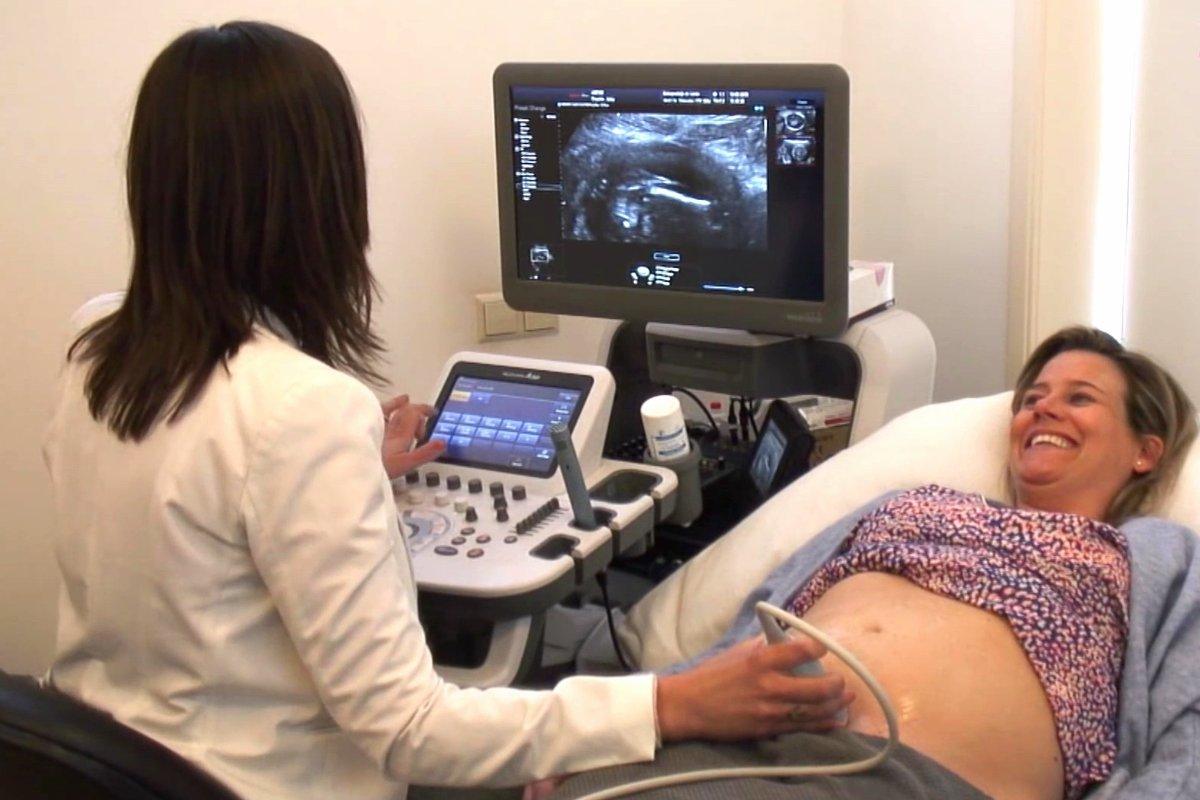
OB/GYN billing is the process of coding, submitting and collecting payment for obstetric and gynecologic care, from prenatal visits, labor and delivery to well-woman exams, contraception, office procedures and gynecologic surgery. It covers maternity care across a pregnancy, gynecologic visits and procedures, and the rules of Medicaid, commercial plans and Medicare.
Obstetrics and gynecology bill on two different clocks. Maternity care runs across a pregnancy that can cross calendar years and payers, and from 2027 it’s reported visit by visit and day by day. Gynecology looks more like a surgical specialty, with preventive visits, 0-day office procedures and 90-day global surgeries. Medicaid pays for a large share of births, while Medicare mostly pays for gynecologic care.
Each prenatal visit billed as an E/M visit (99202 to 99215) by medical decision making or time, with modifier TH and Z34, O09 and Z3A diagnosis codes.
Labor management by day (59080 to 59083), vaginal delivery (59431, 59432), cesarean delivery (59502, 59503) and third- and fourth-degree laceration repair (59433, 59434).
Hospital visits after the delivery day and outpatient postpartum E/M visits, through the 12 months of postpartum coverage most Medicaid programs now offer.
First-trimester, detailed anatomy, nuchal translucency and follow-up ultrasounds (76801 to 76817), nonstress tests (59025) and fetal monitoring during labor (59051).
Well-woman exams (99384 to 99397, G0101, Q0091), colposcopy, LEEP, endometrial biopsy, hysteroscopy and endometrial ablation.
IUDs and implants (58300, 58301, 11981 to 11983, J7296 to J7301, J7307), laparoscopic and abdominal hysterectomy, and myomectomy.
Tell us about your OB/GYN practice, and pick a time that works for you.
Prefer to talk? Call 505-274-7878.
of all US births in 2024 were financed by Medicaid, and Medicaid, commercial plans and Medicare are each moving to the new maternity codes on their own timelines.
Source: KFF
Medicaid financed 40% of all US births in 2024, according to KFF, and Medicaid programs, commercial plans and Medicare are each moving to the restructured CPT maternity codes on their own timelines. The 2027 code set deletes 17 maternity codes, adds 12 and revises six, so a practice that keeps billing the old way will see maternity claims rejected.
A global obstetric code billed for a 2027 date of service is invalid and gets rejected, unless the payer has a written transition policy that allows it.
E/M levels set too low, a missing TH or trimester modifier a Medicaid plan requires, or visits past a payer’s frequency limit leave money on every pregnancy.
Labor days not captured, straightforward and complex codes billed on the same day, or labor management billed on a scheduled cesarean without labor.
Medicare’s new 20% same-day cut on office procedures, G0101 and Q0091 billed outside their frequency limits, or contraception billed without the preventive coding plans expect.
Good OB/GYN billing puts each phase of care on the right claim, under the right payer’s transition rules.
Every patient encounter goes through the same six steps.
We verify coverage through insurance eligibility verification at the first prenatal visit and whenever coverage changes, including Medicaid pregnancy coverage, and secure prior authorization for hysterectomy, hysteroscopy, ablation and detailed fetal ultrasounds.
Our medical coding team levels each prenatal and gyn visit by medical decision making or time, adds modifier TH and any trimester modifier a payer requires, and separates preventive from problem visits with modifier 25.
Labor days are coded from the labor and delivery record as initial or subsequent and straightforward or complex, then matched to the delivery code, any laceration repair and each postpartum hospital visit.
Office procedures, ultrasounds by gestation, IUDs and implants with their device codes, and hysterectomies by approach and uterine weight are coded from the report, with global periods and assistant surgeon rules applied.
Claims go out clean, and we post every ERA during payment posting, checking each payment against your contracted rates for the new maternity codes and the same-day reduction.
Transition, frequency and medical necessity denials go through our denial management process, with appeals that cite the visit note, delivery record, the payer’s own transition policy and the CPT guidelines.
The main benefits of outsourcing OB/GYN billing are a clean move to the 2027 maternity codes, every prenatal visit and labor day paid, fewer gyn procedure denials and contraception claims that don’t land on the patient.
Charge masters, visit templates and each payer’s transition rules are set up before January 1, so no pregnancy falls between the old and new systems.
Visits are billed as they happen at the level the note supports, instead of waiting for a global fee after delivery.
Each labor day, the delivery, laceration repairs and postpartum hospital visits reach the claim.
Office procedures, ultrasounds and surgeries are coded with the right modifiers, global periods and preventive rules.
Well-woman visits and contraception use the codes and modifiers plans need to waive cost-sharing.
Front desk and clinical staff spend less time on payer portals and authorizations, and more time with patients.
OB/GYN billing answers to the AMA’s CPT maternity guidelines, ICD-10-CM pregnancy coding rules, state Medicaid policies, ACA preventive coverage rules, Medicare screening limits and each commercial plan’s transition policy. Our team works from all of them.
Service
Codes
Billing rule to watch
Antepartum visits
99202 to 99215, modifier TH, Z34.x, O09.x, Z3A.x
Each visit is billed on its own by MDM or time. Some Medicaid plans add trimester modifiers or CPT II 0500F on the first visit.
Labor management
59080 to 59083
Once per calendar day, initial or subsequent, straightforward or complex. No other E/M that day, and none for a scheduled cesarean without labor.
Vaginal delivery and repair
59431, 59432, 59300, 59433, 59434
59432 is after a previous cesarean. First- and second-degree repair is included, while 59433 and 59434 are billed even by the delivering physician.
Cesarean delivery
59502, 59503
Primary or repeat. A trial of labor that ends in a repeat cesarean can carry labor management plus 59503.
Postpartum care
99231 to 99239, 99212 to 99215 with TH
Routine care on the delivery day is in the delivery code. Later hospital days and outpatient visits are billed as E/M.
OB ultrasound
76801, 76805, 76811, 76813, 76815, 76816, 76817; add-ons 76802, 76810, 76812, 76814
Add-on codes report each additional gestation. Most payers limit 76811 to documented high-risk indications, and 76816 takes modifier 59 for each additional fetus.
Office gyn procedures
57452 to 57461, 58100, 58558
Most carry a 0-day global, so Medicare pays the lower-paid service at 80% when an E/M with modifier 25 is billed the same day.
Well-woman and screening
99384 to 99397, G0101, Q0091
Medicare doesn’t pay preventive medicine codes, so the screening exam goes on G0101 and Q0091 within their frequency limits.
Contraception
58300, 58301, 11981 to 11983, J7296 to J7301, J7307, Z30.x
Bill the device with its J-code and NDC and a Z30 contraceptive code, plus modifier 33 where a plan needs it to waive cost-sharing.
Hysterectomy
58150, 58570 to 58573
Laparoscopic codes split by uterine weight (250 grams or less, or more) and removal of tubes and ovaries. Check the 90-day global and assistant surgeon rules.
OB/GYN billing in 2027 needs a team that knows both the old maternity rules and the new ones. Our coders track each pregnancy across the transition, set up every payer’s rules before the first claim, and keep gynecology procedures, preventive care and surgery coded to the same standard.
For more than 12 years, Health XRCM has supported 1,500+ providers across 75+ specialties with 50+ certified billing and coding experts. Your practice gets a dedicated team that learns your physicians and midwives, your hospitals and your payer mix. Our offshore operations team keeps the cost lower than staffing the same work in-house.
Years in medical billing
Providers served
Specialties
Certified billing and coding experts
OB/GYN is one of the specialties we bill for. Start with a free billing audit to see how ready your maternity billing is for 2027 and which gyn services may be underbilled.
Each prenatal visit is billed as its own E/M visit, such as 99213 or 99214, leveled by medical decision making or total time like any other E/M. Add modifier TH where the payer uses it, and code Z34 for a normal pregnancy or O09 for high-risk supervision, with a Z3A code for weeks of gestation.
The AMA deleted the global codes, including 59400, 59510, 59610 and 59618, and split maternity care into four phases. Antepartum and postpartum visits are E/M visits, labor management uses 59080 to 59083, and delivery uses 59431 or 59432 for vaginal birth and 59502 or 59503 for cesarean delivery.
Labor management is billed once per calendar day with a face-to-face encounter. The first day uses 59080 or 59081 and later days use 59082 or 59083, picking complex unless every straightforward criterion is met. A continuous visit across midnight counts as one service, and a scheduled cesarean without labor gets no labor code.
Under CPT, antepartum care in 2026 follows the 2026 rules, visits in 2027 are billed as E/M, and a 2027 delivery uses the new labor and delivery codes. HHS is letting health plans keep the 2026 codes for pregnancies that began in 2026, so get each payer’s transition rule in writing.
Bill 58300 for IUD insertion with the device’s J-code, such as J7298, or 11981 for implant insertion with J7307. Removal is 58301 or 11982, and implant removal with reinsertion is 11983. Use a Z30 code such as Z30.430, and add modifier 33 where the plan requires it for no cost-sharing.
The global maternity codes are replaced by phase-based coding, the Medicare conversion factor drops 2.31%, and office visits billed with same-day 0-day procedures like colposcopy are cut 20%. ICD-10-CM also added 44 pregnancy codes on October 1, 2026, including new ectopic pregnancy sites and vanishing twin codes.