

Endocrinology billing lives in the details of chronic care. A diabetes follow-up can carry modifier B1, a CGM report has its own interpretation code, a thyroid nodule biopsy is coded by lesion, and an osteoporosis injection has to match the payer’s preferred product before it’s given. Miss one of those and the claim pays less, or the practice absorbs the cost of the drug. Health XRCM’s endocrinology billing services keep every visit, device and injection coded and paid.
We bill for endocrinologists, diabetes centers and multi-specialty groups with endocrine services. Our team handles E/M and chronic care coding, CGM and remote monitoring, thyroid and bone density procedures, in-office injections and the prior authorizations behind them.
Endocrinology billing is the process of coding, submitting and collecting payment for the diagnosis and treatment of hormone and metabolic disorders, including diabetes, thyroid and parathyroid disease, osteoporosis, obesity, and pituitary and adrenal conditions. It covers office visits, chronic care management, CGM and remote monitoring, diagnostic procedures, in-office drugs and the payer rules behind each one.
Most endocrinology revenue comes from office visits for patients seen again and again over many years, so E/M levels, ICD-10-CM specificity and longitudinal care modifiers matter more here than in procedure-heavy specialties. Around those visits sit monthly services such as CGM interpretation and remote monitoring, procedures like thyroid ultrasound and fine needle aspiration, and high-cost injectables for osteoporosis and hormone therapy that often need prior authorization and a specific product.
New and established E/M visits (99202 to 99215), modifier B1 for ongoing care of complex conditions, and chronic or principal care management (99490, 99424).
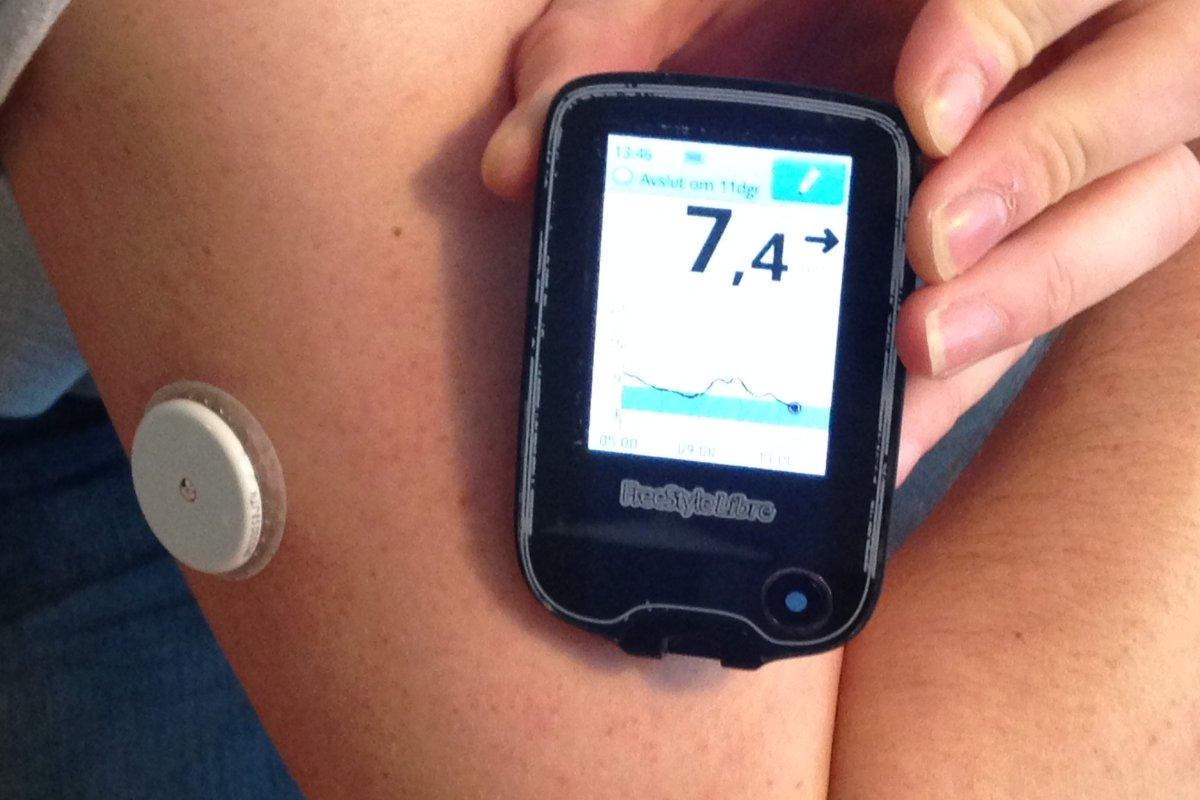
Personal and professional CGM (95249, 95250), CGM interpretation (95251) and the documentation DME suppliers need to fill CGM and insulin pump orders.
Device supply (99453, 99454, 99445) and treatment management (99457, 99458, 99470) for glucose, blood pressure and weight data.
Thyroid ultrasound (76536) and ultrasound-guided fine needle aspiration (10005, 10006).
DXA scans (77080, 77085) and osteoporosis drugs such as denosumab (J0897 and its biosimilars), romosozumab (J3111) and zoledronic acid (J3489), with their administration codes.
Diabetes self-management training (G0108, G0109) and medical nutrition therapy (97802 to 97804) through accredited programs and registered dietitians.
Tell us about your endocrinology practice, and pick a time that works for you.
Prefer to talk? Call 505-274-7878.
CMS-estimated increase in total Medicare payment for endocrinology in 2027, driven mostly by replacing G2211 with modifier B1, which adds 16% to a qualifying E/M visit.
Source: CMS, 2027 Medicare payment rule
Endocrinology is one of the few specialties Medicare pays more in 2027. CMS estimates a 1% increase in total Medicare payment for endocrinology, driven mostly by replacing G2211 with modifier B1, which adds 16% to the base payment of a qualifying E/M visit. That gain only shows up if B1 lands on the right visits, while the conversion factor itself falls 2.31%.
A qualifying diabetes or thyroid follow-up billed without B1 leaves 16% of the visit payment unpaid.
A 95251 billed more than once a month, RPM started without an initiating visit, or a month without enough monitoring days gets denied.
An osteoporosis or hormone injection billed with a non-preferred biosimilar, the wrong units or no prior authorization leaves the practice paying for the drug.
Unspecified diabetes, thyroid or osteoporosis codes weaken medical necessity for CGM, DXA and drug claims.
Good endocrinology billing captures the full value of chronic care while keeping devices and drugs inside each payer’s rules.
Every patient encounter goes through the same six steps.
We verify coverage through insurance eligibility verification and secure prior authorization for osteoporosis drugs, GLP-1 medications, CGM, insulin pumps and imaging, including step therapy and preferred biosimilar rules.
Our medical coding team codes E/M levels from medical decision making or time, adds modifier B1 where the visit supports ongoing care of a complex condition, and codes diabetes, thyroid and bone disease to full ICD-10-CM specificity.
CGM starts, CGM interpretations and RPM months are tracked so each one is billed at the right frequency, with the initiating visit, consent and day counts each code requires.
Thyroid ultrasound, FNA, DXA and in-office injections are billed with the right drug codes, NDCs, units and administration codes, matched to the product each payer prefers.
Claims go out clean, and we post every ERA during payment posting, checking each payment against the expected allowable and flagging drug payments that come in below cost.
Medical necessity, frequency and drug denials go through our denial management process, with appeals that cite lab results, DXA scores and the payer’s own coverage policy.
The main benefits of outsourcing endocrinology billing are full value on chronic care visits, devices and monitoring billed correctly, drugs that get paid, fewer medical necessity denials and more time for patients.
E/M levels and modifier B1 are applied where the documentation supports them, so long-term care is paid at the right rate.
Frequency limits, initiating visits, consent and day counts are tracked, so monthly services get paid and stay audit-ready.
Authorizations, preferred products, NDCs and units are checked before the injection, so high-cost drugs don’t turn into write-offs.
Diagnoses are coded to full specificity, backed by the lab values and history each payer’s policy asks for.
Modifier B1, the conversion factor cut, the new RPM rules, higher FNA payment and the new post-surgical hypoglycemia codes go straight into our workflow.
Nurses and front desk staff spend less time on drug authorizations and payer portals, and more time with patients.
Endocrinology billing sits under Medicare’s E/M and care management rules, DME coverage policies for diabetes supplies, Part B and Part D drug rules and each commercial plan’s drug and device policies. Our team works from all of them.
Service
Codes
Billing rule to watch
Office visits for chronic endocrine care
99202 to 99215, modifier B1
From 2027, B1 replaces G2211 and adds 16% to the base E/M payment for ongoing care of a serious or complex condition.
CGM
95249, 95250, 95251
95249 is billed once for as long as the patient owns the receiver. 95251 needs at least 72 hours of data and is billed no more than once a month.
Remote patient monitoring
99453, 99454, 99445, 99457, 99458, 99470
99454 for 16 or more days of data and 99445 for 2 to 15. 99457 for 20 minutes of management and 99470 for 10 to 19. CGM data is billed with the CGM codes, not RPM device codes.
Thyroid ultrasound and FNA
76536, 10005, +10006
10005 covers the first lesion with ultrasound guidance and +10006 each additional lesion. A separate diagnostic thyroid ultrasound needs its own documentation.
Bone density
77080, 77081, 77085
Medicare covers DXA once every 24 months for most patients, and more often when medically necessary, such as during long-term glucocorticoid therapy.
Osteoporosis drugs
J0897, denosumab biosimilar Q-codes, J3111, J3489
Payers name a preferred denosumab product and can change it mid-year. Bill the exact product given, with its NDC and units.
Injection and infusion administration
96372, 96365, +96366
96372 for subcutaneous or intramuscular injections, 96365 for IV infusions such as zoledronic acid.
Diabetes self-management training
G0108, G0109
Billed by accredited DSMT programs. Medicare covers up to 10 hours in the first year and 2 hours each year after.
Medical nutrition therapy
97802, 97803, 97804
Medicare covers MNT for diabetes and kidney disease when a physician refers the patient and a registered dietitian provides it.
Post-surgical hypoglycemia
E89.830, E89.838
New ICD-10-CM codes from October 1, 2026 for hypoglycemia after bariatric and other surgeries.
Endocrinology billing needs coders who understand chronic disease management as well as procedures. Our team codes from the visit note, lab results, CGM reports and DXA scans, so long-term care is paid at its full value and devices and drugs stay inside each payer’s rules.
For more than 12 years, Health XRCM has supported 1,500+ providers across 75+ specialties with 50+ certified billing and coding experts. Your practice gets a dedicated team that learns your physicians, your drug mix and your payers. Our offshore operations team keeps the cost lower than staffing the same work in-house.
Years in medical billing
Providers served
Specialties
Certified billing and coding experts
Endocrinology is one of the specialties we bill for. Start with a free billing audit to see where chronic care visits, CGM, RPM or drug claims may be underpaid.
Use 95249 to start a patient on their own CGM, 95250 when the practice provides the device for a professional study, and 95251 for analysis, interpretation and report of at least 72 hours of data. 95251 is billed no more than once a month, and an E/M visit on the same day needs modifier 25.
Modifier B1 replaces G2211 on January 1, 2027. Added to an office or outpatient E/M code, it raises the visit payment by 16% when the visit is part of ongoing care for a serious or complex condition, such as diabetes or thyroid disease. The note should show the continuing relationship and the condition being managed.
Bill 99453 for setup, 99454 for 16 or more days of data in a month or 99445 for 2 to 15 days, and 99457 or 99470 for management time. From 2027, Medicare requires an established patient and a separate initiating visit before RPM starts. CGM data itself is billed with the CGM codes.
Medicare covers a DXA scan once every 24 months for eligible patients, and more often when it’s medically necessary, such as for patients on long-term glucocorticoid therapy. Use 77080 for a central DXA and 77085 when a vertebral fracture assessment is added to it.
Not under the regular Part D benefit. From July 1, 2026 through December 31, 2027, the Medicare GLP-1 Bridge covers Wegovy, Zepbound and Foundayo for eligible Part D enrollees for a $50 copay, outside the Part D benefit and with prior authorization. GLP-1s prescribed for diabetes stay covered under Part D.
The conversion factor drops 2.31%, but CMS projects a 1% overall increase for endocrinology, mostly from modifier B1. RPM and RTM need an established patient and an initiating visit, thyroid FNA payment rises about 20%, and same-day visits with 0-day procedures are paid at 80% when they’re the lower-valued service.